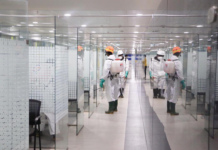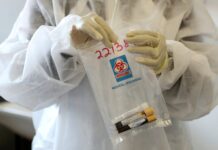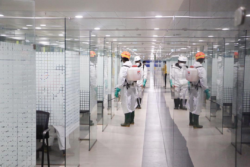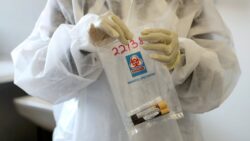
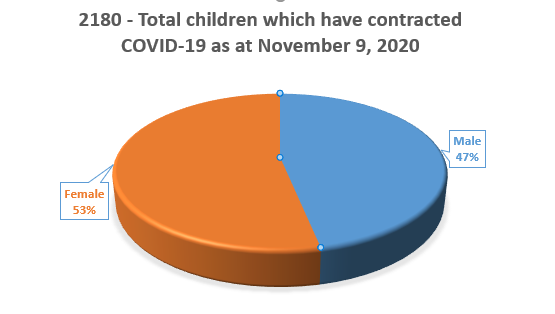
The prevalence of COVID-19 among children requires that the state intensifies its campaign on making children understand the importance of adhering to safety protocols for the prevention of respiratory diseases, a new study on the State of Children in Ghana published by Child Rights International has noted.
In Ghana, the data projects a low incidence of COVID-19 among children. The national data show that from March 11 to November 9, 2020, out of the 49,202 who contracted the COVID-19 virus, 2,180 children below 18 years have contracted the virus – representing 4.43% of the total contraction rate in Ghana.
Additionally, out of the 320 deaths recorded within the study period, four were children within the cohort of 0-14 years.
Bright Appiah, Executive Director of Child Rights International, presenting the study’s findings noted that: “The outcomes require that the state intensifies its campaign on making children understand the importance of adherence to protocols for the prevention of COVID-19.
“Again, there is need for government to institute programmes that boost the immune systems of children – such as proper nutrition system to ensure children have a balanced diet; good personal/environmental hygiene practices; and physical activity as much as possible.”

He called for a comprehensive nutritional plan under the school feeding programme in schools, and the provision of regular information on nutritional values to the general public in order to maintain a strong immune system against COVID-19 in children.
Children and Education during COVID-19
The study found that children are yet to benefit from the learning platforms provided across all regions. The digital platforms, the study revealed, reached only 5% of the children in Bono, Ahafo, Ashanti, Western and Eastern Regions.
TV and radio coverage also reached 32% of children surveyed except in greater Accra. Six (6) out of every 10 children said they used peer and parental support in learning.
Despite the alternative measures put in place, 89% of children complained that distance-learning platforms have not been an effective way of learning as compared to classroom settings.
Mr. Appiah noted that: “In returning our society and children back to any semblance of normalcy, these alternative systems—a shift system to accommodate all students, and routine free testing twice a week for teachers and students—must be considered and specific solutions created to resolve the outstanding challenges discovered during the pandemic’s onslaught”.